Preparing for a Senior Pet End of Life Journey
Facing the end of life journey of a senior pet is one of the most emotional experiences a pet parent can go through. While no one is ever truly “ready,” thoughtful preparation can bring peace, clarity, and comfort during this difficult time. Understanding your options and planning ahead allows you to focus on what matters most: cherishing your pet’s final chapter with love and dignity.
Recognizing Signs Your Senior Pet May Be Nearing End of Life
As dogs and cats age, gradual physical changes are normal. However, certain signs may indicate that your senior pet is approaching the end of life. These can include chronic pain, difficulty standing or walking, loss of appetite, incontinence, confusion, labored breathing, or withdrawal from family interaction.
If you’re unsure whether your pet’s quality of life is declining, speak with your veterinarian. Many clinics offer quality-of-life assessments to help guide decision-making. Open communication with your vet ensures your pet’s comfort remains the top priority.
Having the Quality of Life Conversation
One of the most important steps in preparing for a senior pet’s end of life is discussing quality of life. Ask yourself:
- Is my pet experiencing more bad days than good?
- Can their pain be managed effectively?
- Are they still able to enjoy favorite activities?
- Are they eating, drinking, and resting comfortably?
These conversations can feel overwhelming, but they provide clarity and help prevent crisis-driven decisions.
Understanding Pet Euthanasia Options
When the time comes, humane euthanasia is often the most compassionate choice to prevent unnecessary suffering. Your veterinarian can explain the process in detail, whether it takes place in-clinic or at home. Many families choose in-home euthanasia for a quieter, familiar environment.
Knowing what to expect during pet euthanasia can ease anxiety and allow you to be fully present with your companion in their final moments.
Planning Pet Aftercare in Advance
Thinking about pet aftercare ahead of time may feel difficult, but it can provide comfort later. Consider your preferences for:
- Private or communal cremation
- Memorial keepsakes
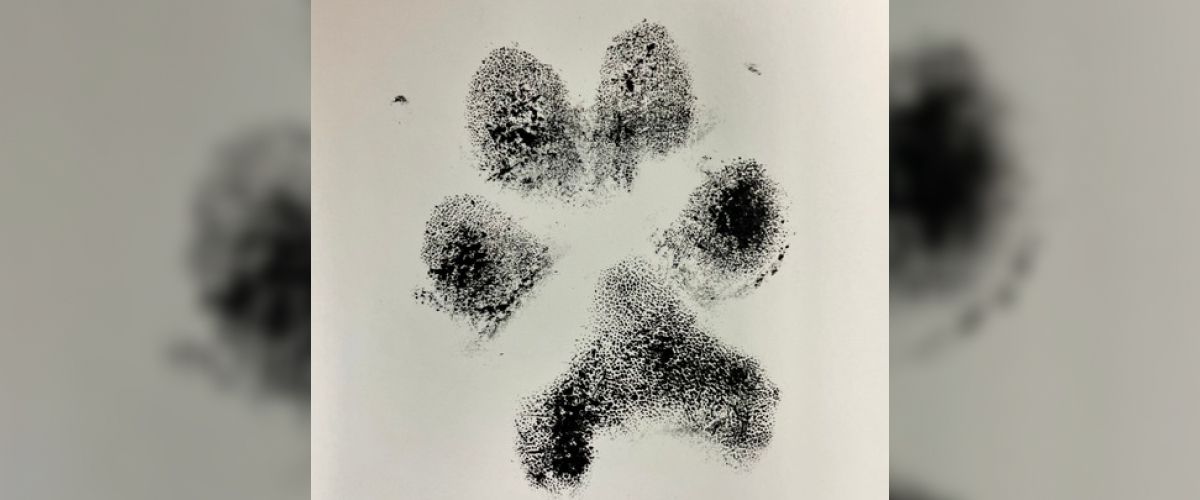
- Paw prints or fur clippings
- Celebration of life services
Making these decisions in advance reduces stress and allows you to focus on grieving and honoring your pet’s life.
Supporting Yourself Through Pet Anticipatory Grief
Preparing for the loss of a senior pet often brings anticipatory grief — the sadness that begins before the loss occurs. This is completely normal. Give yourself permission to feel, to reminisce, and to create meaningful memories during this time.
Take photos, share favorite routines, and simply sit together. The end of life journey is not only about goodbye — it’s about honoring a lifetime of unconditional love.
Though this chapter is painful, planning ahead ensures your senior pet experiences comfort, dignity, and compassion every step of the way.