What to Do When Your Pet Passes Away: A Step-by-Step Guide for Pet Parents
Losing a beloved pet is one of the most painful experiences a pet parent can face. In the midst of grief, it can be difficult to know what steps to take. If your pet passes away at home or under veterinary care, understanding what to do next can help you navigate this moment with clarity, dignity, and compassion.
1. Take a Moment and Confirm Your Pet Has Passed
If your pet passes at home, gently check for breathing and a heartbeat. Signs include no chest movement, no pulse, dilated pupils, and lack of response to touch. If you are unsure, contact your veterinarian immediately. A veterinary professional can confirm the passing and guide you through the next steps.
2. Contact Your Veterinarian or a Pet Aftercare Provider
Whether your pet passed at home or at a clinic, your veterinarian is often the first call to make. They can explain your options for pet cremation, burial, or transfer to a pet aftercare provider. Many professional pet cremation services offer transportation, which can ease the burden during this emotional time.
3. Preserve the Body Respectfully (If at Home)
If you need time before transportation arrangements are made, place your pet on a towel or blanket in a cool area of the home. For larger pets, cooling with ice packs placed beneath the body can help slow natural changes. Handle your pet gently and with care — this moment matters.
4. Understand Your Aftercare Options
Pet parents typically choose between private cremation, partitioned cremation, communal cremation, or burial (where legally permitted). Private pet cremation ensures your pet is cremated individually and their ashes are returned to you. Communal cremation does not return ashes but is often a more economical option. Understanding these choices helps you make a decision aligned with your wishes and values.
5. Decide How You Want to Memorialize Your Pet
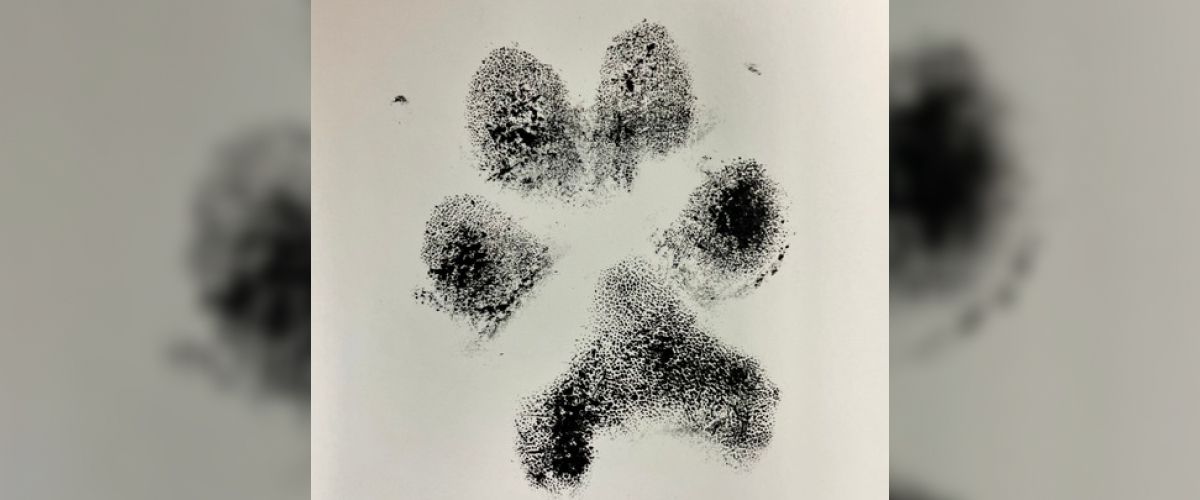
Memorial options can bring comfort during the grieving process. Many families choose urns, paw prints, memorial jewelry, framed photos, or personalized keepsakes. Creating a tribute can help honor the unconditional love your pet gave you throughout their life.
6. Allow Yourself to Grieve
Pet loss grief is real and valid. Losing a dog, cat, or companion animal can feel as intense as losing a family member. Seek support from friends, family, pet loss support groups, or a counselor if needed. There is no “right” timeline for healing.
Final Thoughts
Knowing what to do when your pet passes away cannot remove the pain, but it can reduce uncertainty during an overwhelming time. Planning ahead, understanding your pet cremation and aftercare options, and choosing compassionate professionals can provide peace of mind when it matters most.
Above all, remember: the love you shared does not end. It lives on in memory, ritual, and the imprint they left on your heart.